 WhatsApp
Ekrem
COORDINATION & SETUP

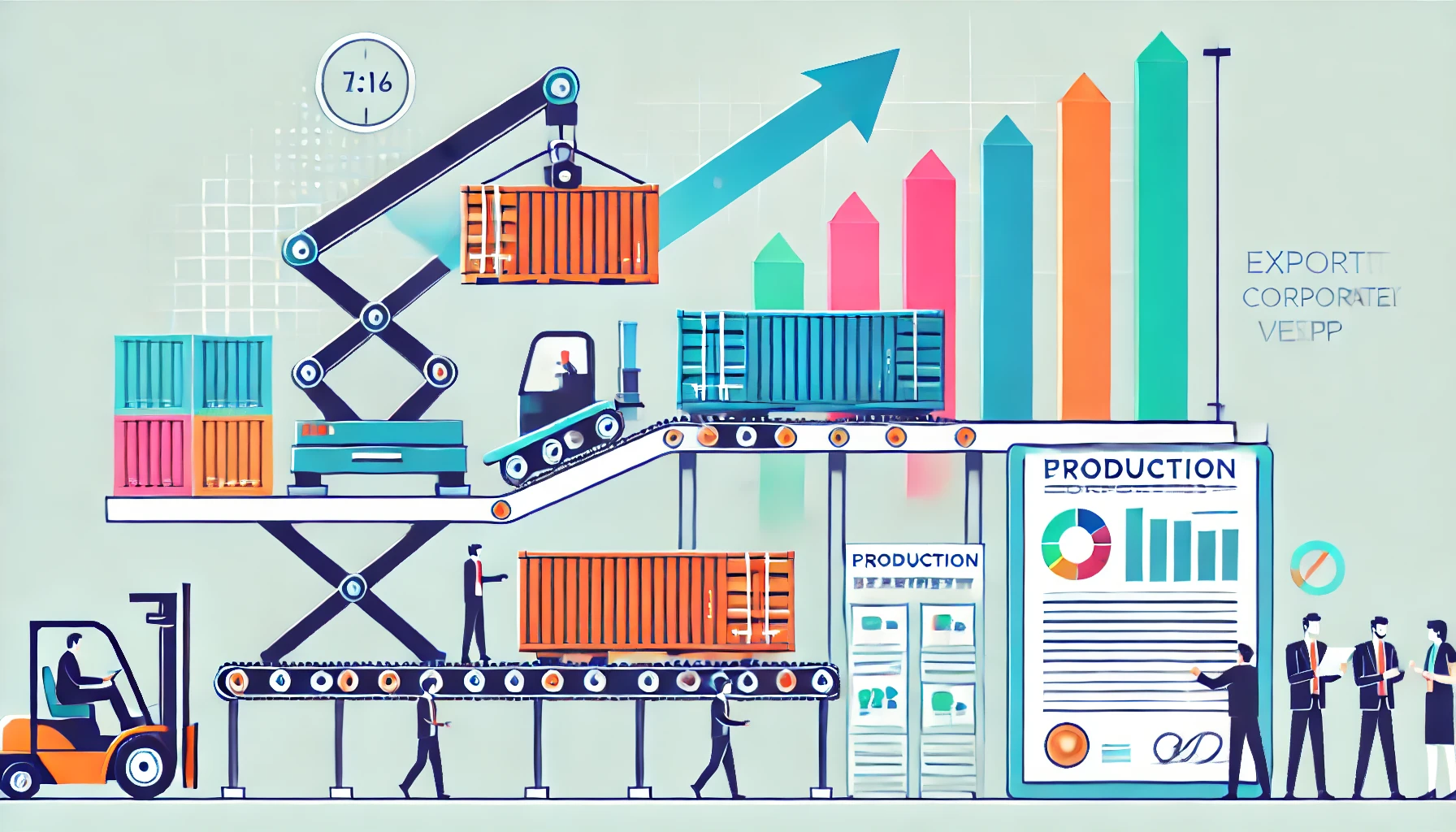
Preferential customs treatment exists only when an agreement applies to the product, origin and destination. The review must map the goods flow, classify the item under the correct HS code, test the relevant origin rule and secure acceptable proof of preference. Procurement, processing, invoicing and transport records should tell the same story. Before shipment, parties also need assigned responsibility for declarations, supporting documents and customs follow-up. This process distinguishes a theoretical tariff opportunity from an operationally usable one and identifies remaining classification, origin or evidence risks. The name of a free trade agreement, supplier location or expected origin cannot substitute for the required documentary chain.
Montenegro is involved in several trade agreements. For companies, however, it is not the title of an agreement that counts, but the specific question: does it apply to precisely this product, this origin, this target market and this document chain?
The critical point usually lies in the application. Incorrect pricing, unclear logic of origin or contradictory documents can quickly render a theoretical advantage worthless.
The official starting points are the Montenegrin government overview of free trade agreements, the WTO member profile of Montenegro, the EFTA information on the agreement with Montenegro and the EUR-Lex text on the Stabilization and Association Agreement. These sources are intended for examination purposes, but are no substitute for a specific customs decision in individual cases.
Anyone examining Montenegro not in isolation, but as part of a corporate or trade structure, should consider the logic of the agreement together with the Business and Enterprise Montenegro page and the advantages of Montenegro as a business location.
The audit trail does not start with the question of which agreement sounds interesting, but with the product. Only when the product, flow of goods and target market are clear can the preferential eligibility be meaningfully checked.
First, the product, direction of trade, supply chain and target market are recorded. This determines which agreements are practically relevant and which points need to be excluded or examined in more detail.
Result: limited scope of review instead of a general list of agreements.
The tariff classification, rule of origin, supplier data, product description and available evidence are then checked against each other. The decisive factor is whether the information remains explainable in the event of an audit.
Result: visible gaps, risks and requirements for preferential use.
In the end, it is defined who provides information, who checks it, where receipts are filed and when a new check is necessary. Without this routine, preference usage remains a case-by-case bet.
Result: prioritized measures for customs, documentation, internal approval and ongoing monitoring.
A viable setup combines customs tariff, origin, proof of preference and responsibilities. If one of these building blocks is missing, the benefit remains uncertain.
If a Montenegrin company is used for this purpose, company formation in Montenegro, bankability and operational obligations should be considered at an early stage. Without a workable setup, even a good agreement will be difficult to use in practice.
The format is designed for specific trading projects. It works when products, markets, suppliers and decision-making requirements are at least roughly defined.
If your project is still in the right-hand column, the first step is not preference utilization, but sorting: product image, supply chain, documents and responsibilities must first become tangible.
The audit is relevant wherever Montenegro is involved in an international movement of goods as a production, procurement, trade or export location.
Company accounts in Montenegro and taxes in Montenegro are often also relevant for practical implementation, because flows of goods, payments, receipts and tax logic must remain documentable together.
What is expected is not a blanket commitment, but a documented decision status: relevant agreements, viable tariff classification, assessment of preferential eligibility, defined evidence, risk points and prioritized next steps. A binding customs or tax decision on a case-by-case basis is no substitute for this operational review.
ekosphere combines local implementation proximity in Montenegro with structured inspection and document management. The focus is not on the mere mention of an agreement, but on the question of whether your flow of goods can be handled cleanly on a day-to-day basis.
On site, we bundle coordination, legal / authority logic, accounting, tax issues and document processes.



For the classification of related topics, the page Knowledge and rules for Montenegro bundles further legal, tax and administrative basics.
Not every trade project needs the same depth. The decisive factors are the flow of goods, documentation situation, preference risk and desired decision status.
Video call
150,00 €
Remote Screening
450,00 €
Structured implementation
999,00 €
Extended testing and implementation
On request
Net prices plus 21 % VAT. The depth of testing and decision-making of the respective format is decisive.
The most important questions concern not only the agreement itself, but also the ability to provide evidence in the actual flow of goods.
Relevant official points of reference include the Stabilization and Association Agreement with the EU, CEFTA 2006, EFTA and agreements with Turkey, Ukraine and the Russian Federation. Whether this results in an advantage depends on the product, target market, origin and proof.
No. An agreement only opens up the possibility of preferential treatment. The goods must fulfill the appropriate rule of origin, be correctly classified and be documented with the required evidence.
The HS code is the basis for tariff rates, agreement checks and document obligations. If the tariff classification is incorrect or incorrectly justified, the entire preference logic can be overturned.
Origin is not simply the country of delivery. The decisive factor is whether the goods fulfill the rules of origin of the respective agreement, for example through complete extraction, sufficient processing or defined added value.
Depending on the case, product data, HS code approach, supplier data, invoices, product descriptions, information on material usage, production steps and existing proof of origin or supplier documentation are required.
A new check makes sense if the product, supplier, preliminary product, production step, target market, shipping route or document situation change significantly. Even small changes can influence the origin logic.
No. ekosphere prepares the operational classification, documentation and basis for decision-making. Binding customs, tax or official decisions are reserved for the competent authorities or authorized professionals.
In the end, it should be clear which agreements are relevant, how the goods are tariffed, whether origin is plausibly verifiable, which documents are missing and which steps are necessary before preferences can be used.
Once the product, target market and decision-making requirements have been roughly determined, we clarify the scope, suitable format and sequence of the review.
The first meeting is usually sufficient for an initial sorting. If documents are already available, the pre-check makes more sense: we then check whether the HS code, origin, evidence and process appear viable.
For initial contact, queries or appointments regarding free trade agreements, origin, proof of preference and customs compliance, it makes sense to contact us directly by phone, WhatsApp or email.
 +382 30 681 227